

Root Canal Therapy in Oceanside, CA
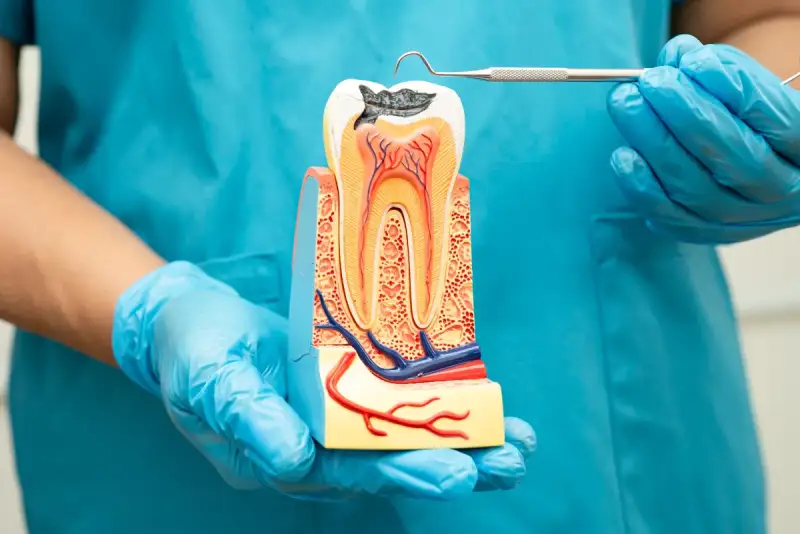
A toothache that keeps you up at night is usually your body telling you something is wrong inside the tooth. Root canal therapy in Oceanside, California, treats the infection at its source so you can keep your natural tooth instead of losing it.
When Does a Tooth Need a Root Canal?
A root canal is a treatment for the soft tissue inside your tooth, called the pulp. When deep decay, a crack, or trauma allows bacteria to reach the pulp, infection and inflammation can cause severe pain and swelling. Root canal therapy removes the inflamed or infected pulp, cleans the canals, and seals the space. The goal is simple: save your natural tooth and stop pain.
Common signs you may need a root canal include:
- Lingering sensitivity to hot or cold that lasts more than a few seconds.
- Spontaneous toothache that wakes you up or is hard to localize.
- Pain when chewing or tapping on the tooth.
- Swelling of the gums or face, or a pimple on the gum near the tooth.
- Darkening or discoloration of the tooth.
- Deep decay visible on X-rays or a history of a cracked tooth.
Benefits of Root Canal Therapy
- Pain relief by removing inflamed or infected pulp tissue.
- Preservation of your natural tooth and bite alignment.
- Efficient chewing and normal sensation compared to a missing tooth.
- Prevention of infection from spreading to the jaw or neighboring teeth.
- Reliable, long-term results with proper restoration and home care.
How Root Canal Therapy Works
Most root canals are completed in one or two visits. Here is a general overview:
- Diagnosis and imaging: X-rays confirm the extent of infection and map the canal anatomy.
- Anesthesia: Local anesthetic numbs the tooth and surrounding area for comfort.
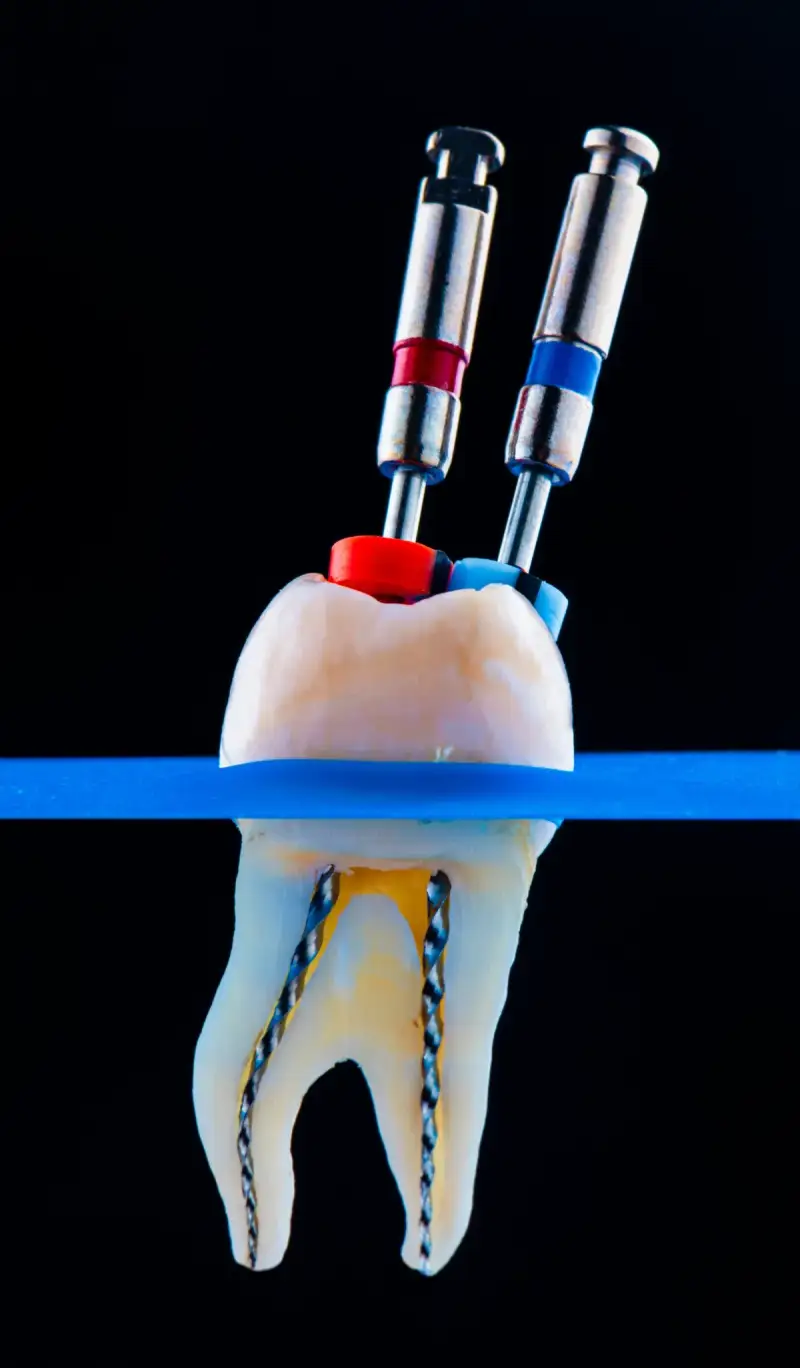
- Access and cleaning: A small opening is made in the crown, and the inflamed or infected pulp is removed. The canals are shaped, cleaned, and disinfected.
- Filling and sealing: The canals are filled with a biocompatible material and sealed to prevent bacteria from re-entering.
- Restoration: A filling or crown is placed to restore the tooth\u2019s strength and protect it from fracture.
After treatment, mild tenderness is normal for a few days and usually responds to over-the-counter pain relievers. Follow all aftercare instructions, avoid chewing on the treated tooth until the final restoration is placed, and keep scheduled follow-up visits.
What to Expect Before and After Treatment
Before your appointment, eat a light meal unless advised otherwise, and take prescribed medications as directed. Antibiotics are used only when there are signs of spreading infection or systemic symptoms; they do not replace the procedure itself.
After treatment, mild soreness is common for 24 to 48 hours and usually responds to over-the-counter pain relievers. Avoid chewing on the treated side until a permanent crown or filling is placed. Most patients return to normal activities the same day or the next. Typical root canal recovery time is short, but call if pain worsens, swelling increases, or you develop a fever.
Alternatives may include extraction followed by an implant, bridge, or partial denture. Each option has pros and cons in terms of preservation of bone, chewing function, and maintenance. Discuss which choice best fits your oral health and goals.
Save Your Tooth Today
Tooth pain should not wait. Call Mission Family Dentistry at 760-439-5515 so Dr. Odenwalder can evaluate the tooth and help you decide on the best path forward.
Frequently Asked Questions About Root Canal Therapy
With modern local anesthesia, treatment is usually comfortable. Most discomfort comes from the preexisting inflammation, which improves once the pulp is removed.
Plan for about 60 to 90 minutes for a single-rooted tooth and up to two hours for molars. Some cases finish in one visit; others need a second visit.
Back teeth typically need a crown to prevent fracture and restore strength. Front teeth may be restored with a filling or a crown depending on remaining tooth structure.
Lingering hot or cold sensitivity, pain on biting, swelling, a gum pimple, or a darkened tooth are common warning signs that a root canal may be needed.
With a proper restoration, good home care, and routine checkups, many treated teeth last decades. Success rates are high, and retreatment is possible if needed.
Severe fractures below the gum line, insufficient tooth structure, or poor periodontal support can make extraction a better choice. An exam and X-rays help clarify the plan.