

Dental Cleanings & Exams in Oceanside, CA
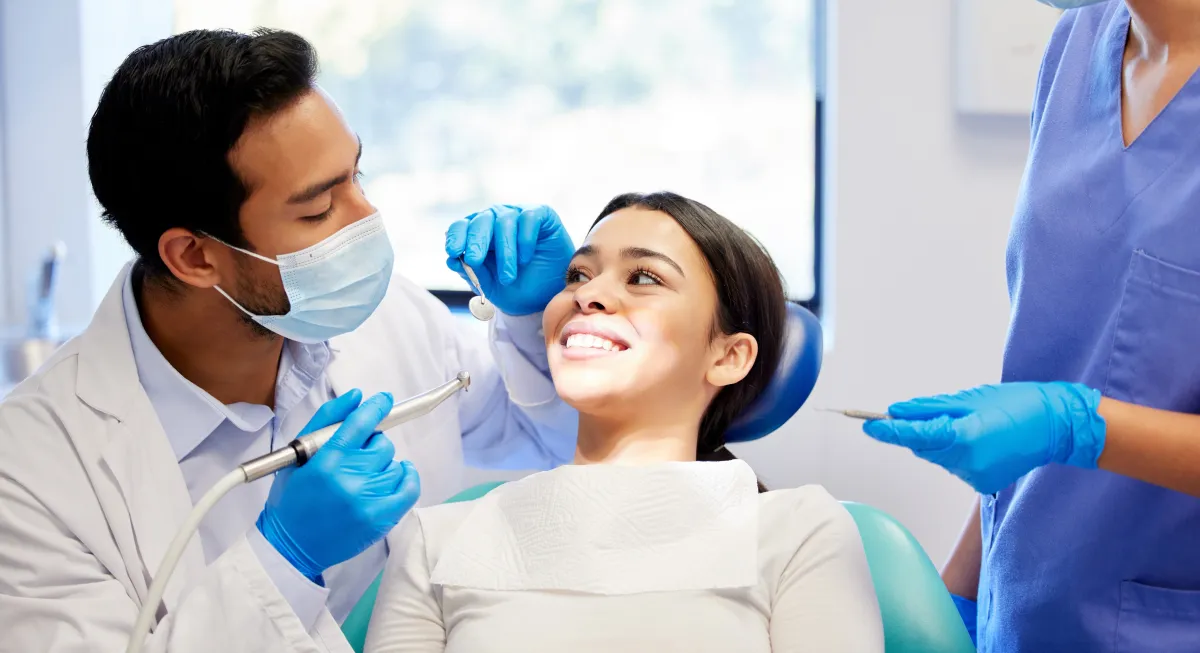
Regular cleanings and exams in Oceanside, California, are the foundation of healthy smiles for the whole family. Each preventive visit checks gum health, screens for cavities, and removes the buildup that brushing and flossing alone cannot reach.
What Happens at a Dental Checkup?
A routine checkup combines two key parts: the exam and the cleaning. The exam looks at teeth, gums, bite, and soft tissues to spot early signs of decay, gum disease, and oral cancer. It may include digital X-rays for a closer look between teeth and under existing fillings. The cleaning, also called a dental prophylaxis, removes plaque and tartar that contribute to cavities and gum inflammation.
A standard cleaning focuses above the gumline to maintain health, while a deep cleaning (scaling and root planing) is a therapeutic procedure that targets deposits below the gumline for patients with gum disease. Dr. Odenwalder will recommend the right approach after evaluating your gum measurements and overall risk.
Benefits of Dental Cleanings & Exams
- Early detection of cavities and cracked or worn fillings.
- Healthier gums through plaque and tartar removal.
- Lower risk of bad breath by reducing bacteria buildup.
- Guidance on brushing, flossing, and home care tools.
- Baseline records with periodic X-rays for accurate monitoring.
- Peace of mind from an oral cancer screening at each visit.
How Dental Cleanings & Exams Work
During the Exam
The visit typically begins with a review of medical history and medications, since some conditions affect oral health. A comprehensive exam checks each tooth, gum pockets, and your bite. X-rays may be taken as needed to find problems hidden from view. An oral cancer screening looks at the soft tissues of the mouth, tongue, lips, and throat for anything unusual.
During the Cleaning
- Scaling removes plaque and hardened tartar from above and just below the gumline using hand instruments or an ultrasonic scaler.
- Polishing smooths tooth surfaces to reduce future plaque buildup and remove light surface stains.
- Flossing cleans between each tooth to confirm contact areas are clear.
- Fluoride treatment may be applied to strengthen enamel and lower cavity risk.
After the Visit
The dental team reviews any findings, answers your questions, and may recommend next steps such as follow-up treatment, a deeper cleaning, or a change in your home care routine. Personalized tips for brushing technique, floss alternatives, and diet adjustments are common.

Plan Your Next Checkup
Overdue for a checkup? Call Mission Family Dentistry at 760-439-5515 to schedule your cleaning with Dr. Odenwalder.
Frequently Asked Questions About Dental Cleanings & Exams
Most people do well with visits every six months. If you have a history of gum disease, frequent cavities, dry mouth, or wear a nightguard, you may need more frequent cleanings.
Not always. Digital dental X-rays are taken on a customized schedule based on age, cavity risk, and existing dental work. They help find issues that are not visible during a visual exam.
A regular cleaning removes plaque and tartar above the gums. A deep cleaning treats gum disease by removing deposits below the gumline and smoothing roots to help gums heal.
No. Adults at higher risk for decay, tooth sensitivity, or exposed roots can also benefit from in-office fluoride. It strengthens enamel and supports long-term cavity prevention.
Use a desensitizing toothpaste, avoid very cold foods for a day, and brush gently with a soft brush. If sensitivity persists, let the dental team know at your next visit.
Share your concerns before the appointment so the team can adjust pacing and comfort measures. Short breaks, topical numbing, and clear step-by-step explanations can help.