

Gum Disease Treatment in Oceanside, CA
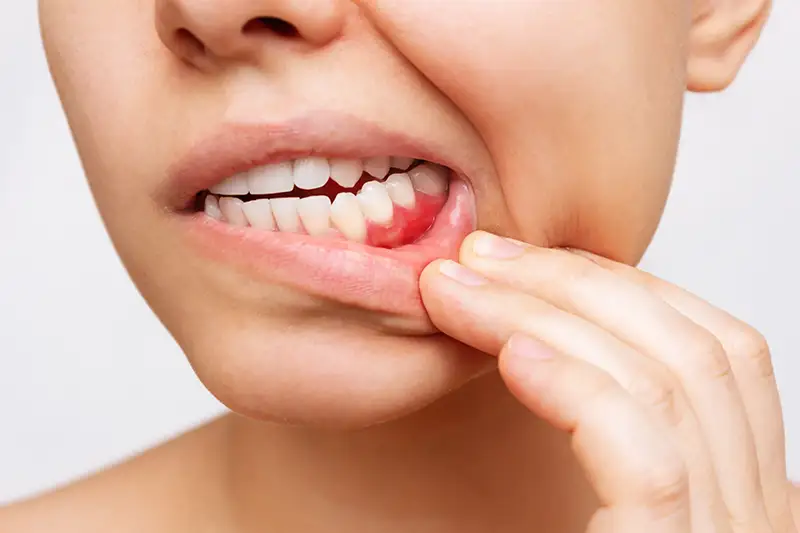
Bleeding gums, persistent bad breath, or teeth that feel loose can all point to gum disease. The good news is that early treatment in Oceanside, California, can stop the damage and help your gums heal before the problem gets worse.
Understanding Gum Disease
Gum disease, also called periodontal disease, is an infection of the gums and supporting bone caused by bacterial plaque. Early gum inflammation is known as gingivitis and often leads to red, swollen gums that bleed when you brush. Without care, it can progress to periodontitis, where the bone and tissues around teeth begin to break down.
Professional gum disease treatment focuses on removing the bacteria and hardened deposits (tartar) that trigger inflammation, then creating conditions that help gums heal.
Common Signs to Watch For
- Red, tender, or swollen gums
- Bleeding when brushing or flossing
- Persistent bad breath or bad taste
- Gum recession that makes teeth look longer
- Loose teeth or changes in how your bite feels
Benefits of Treating Gum Disease
- Reduced inflammation for healthier, more comfortable gums.
- Lower risk of tooth loss by preserving supporting bone.
- Improved breath and easier daily cleaning at home.
- Better control of systemic inflammation linked to overall wellness.
- More predictable results for future dental work such as crowns or implants.
How Gum Disease Treatment Works
Assessment and Diagnosis
The process starts with a periodontal evaluation by our dentist. Measurements are taken around each tooth to check pocket depths, and X-rays may be used to assess bone levels. Based on the severity of disease, a personalized treatment plan is created.
Scaling and Root Planing (Deep Cleaning)
This non-surgical treatment removes plaque and tartar from below the gumline and smooths root surfaces so gums can reattach more snugly. It is typically done with local anesthesia over one or two appointments.
Adjunctive Therapies
In some cases, antimicrobial rinses, locally placed antibiotics, or laser-assisted decontamination may be recommended to help control bacteria and support healing.
Surgical Options
When non-surgical treatment is not sufficient, surgical approaches such as flap surgery, bone grafting, or guided tissue regeneration may be discussed to reduce pocket depth and rebuild lost support.
Ongoing Maintenance
After active treatment, periodontal maintenance visits every three to four months help keep bacteria under control, monitor pocket stability, and catch any changes early. Consistent home care is essential for long-term success.
What to Expect
Comfort is a priority. Local anesthesia keeps deep cleaning comfortable, and mild tenderness after treatment is common. Most people return to normal activities the same day. Soft foods, warm saltwater rinses, and over-the-counter pain relief are usually sufficient for short-term discomfort.
Healing times vary by severity. Gingivitis can improve within days to weeks, while periodontitis may require several visits and re-evaluation. Signs of progress include less bleeding, reduced pocket depths, and easier daily brushing and flossing. Your team will also discuss signs of gingivitis to watch for at home and how to prevent flare-ups.
Early treatment can prevent tooth loss and reduce the need for more complex procedures. If you have questions about non-surgical periodontal treatment, periodontitis stages, or whether surgical care is appropriate, a tailored exam will provide clear answers.

Protect Your Gum Health
Concerned about your gums? Call 760-439-5515 so Dr. Odenwalder can evaluate what is going on and map out a treatment plan for you.
Frequently Asked Questions About Gum Disease Treatment
Yes. With professional cleanings and consistent home care, gingivitis usually resolves and gums return to a healthy state.
Local anesthesia keeps the procedure comfortable. Mild soreness after treatment is typical and usually short lived.
Deep cleaning is often completed over one to two visits, followed by a recheck in several weeks and maintenance visits every few months.
These adjuncts are considered case by case. They can help in specific areas but are not required for every patient.
Inflammation can resolve and pockets can shrink after therapy. In select cases, regenerative procedures may rebuild some lost support.