

Dental Fillings in Oceanside, CA
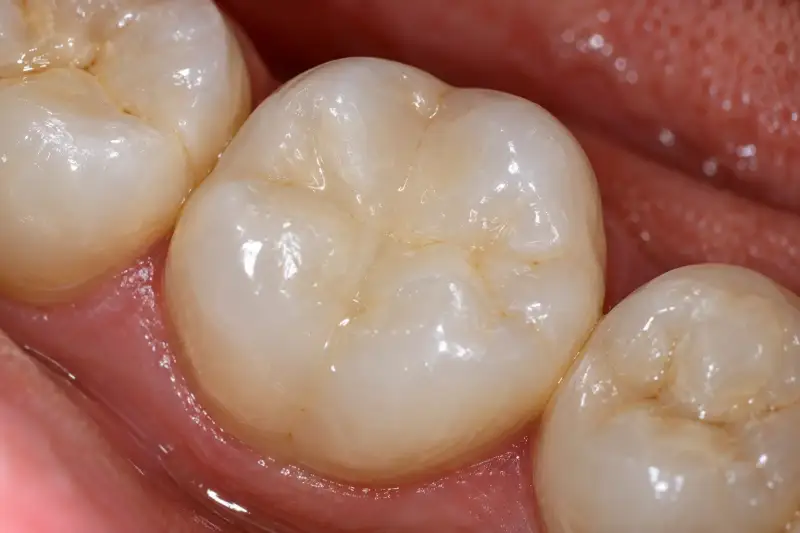
Catching a cavity early usually means a simple filling rather than a crown or root canal down the road. At Mission Family Dentistry in Oceanside, California, Dr. Odenwalder removes the decay, restores the tooth, and helps you understand how to keep it healthy going forward.
What Is a Dental Filling?
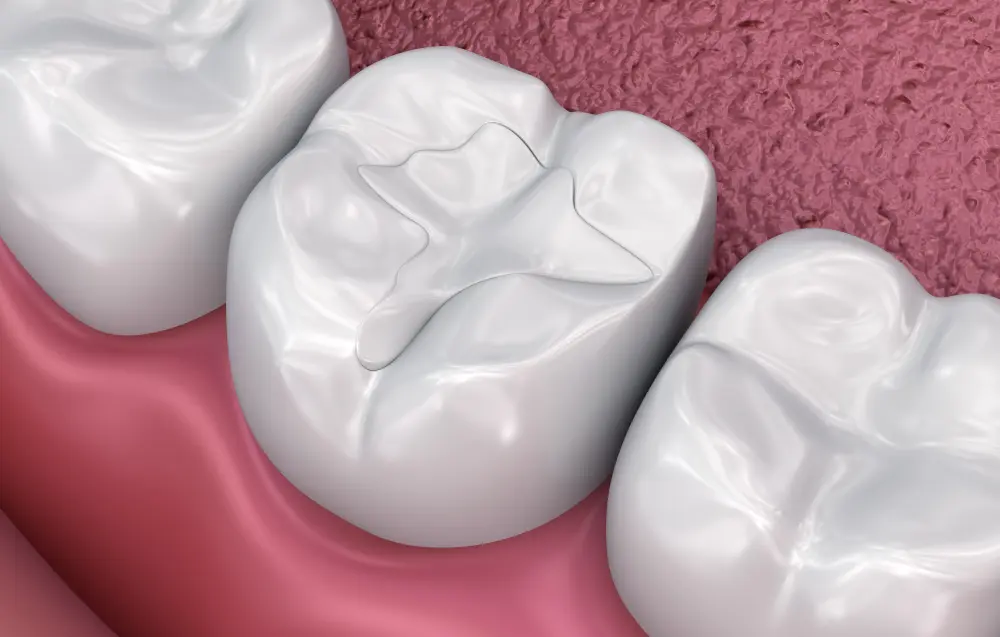
A dental filling is a conservative restoration used to repair a tooth after decay has been removed. The goal is to rebuild lost structure, seal the area against bacteria, and return normal function.
Common Filling Materials
- Composite resin blends with natural enamel and bonds to the tooth.
- Amalgam is durable for back teeth but is more noticeable.
- Ceramic and porcelain offer excellent color stability and wear resistance.
- Gold is long lasting but less common due to appearance and cost.
Benefits of Dental Fillings
- Stops decay from spreading deeper into the tooth.
- Restores strength for biting and chewing.
- Reduces sensitivity caused by exposed dentin.
- Improves appearance with tooth-colored options.
- Helps avoid more extensive care, such as crowns or root canals.
The Dental Filling Process
The cavity treatment steps are straightforward and designed for comfort. A local anesthetic numbs the area. The decayed portion of the tooth is removed, preserving as much healthy structure as possible. The tooth is cleaned, and the filling material is placed in layers, shaped to match your bite, and hardened with a curing light (for composite). The entire process usually takes one visit.
What to Expect
Most appointments for a single filling take about 30 to 60 minutes, depending on size and location. Numbness typically wears off within a few hours. It is common to notice mild temperature sensitivity for a few days as the tooth settles. If your bite feels high or sore when chewing, a quick adjustment can help.
Aftercare Tips
- Wait until numbness wears off before chewing to avoid biting your cheek or tongue.
- Brush twice daily with a fluoride toothpaste and clean between teeth once a day.
- Limit frequent snacking and sugary drinks to reduce future decay risk.
- Use a nightguard if you grind your teeth to protect restorations.
- Schedule regular checkups so small issues can be repaired early.
Longevity and Replacement
How long dental fillings last depends on the material, the size of the restoration, your bite, and home care. Composite fillings often last many years with proper hygiene, while amalgam and ceramic can last even longer in some cases. Signs a filling may need attention include new sensitivity, roughness, dark lines at the edge, or a chip or crack. Timely evaluation can prevent larger problems.
Treat Cavities Early
Think you might have a cavity? Call Mission Family Dentistry at 760-439-5515 to schedule an exam with Dr. Odenwalder before it gets bigger.
Frequently Asked Questions About Dental Fillings
Composite is tooth-colored and bonds to enamel for a natural look, making it a common choice for visible areas. Amalgam is strong and cost-effective for back teeth but is more noticeable.
Local anesthetic numbs the tooth and surrounding tissues, so you should feel only pressure or vibration. Mild post-treatment sensitivity is common and usually fades quickly.
With good oral hygiene and routine visits, many fillings last several years to well over a decade. Material selection, bite forces, and cavity size influence lifespan.
You can eat once numbness resolves. If you received an amalgam filling, avoid heavy chewing on that side for the rest of the day. Composite fillings are fully set before you leave.
If decay is extensive or the tooth is cracked, a crown, inlay or onlay may be recommended for strength and coverage. Our dentist will review options suited to your case.
Brush with fluoride toothpaste, clean between teeth daily, choose water over sugary drinks, and consider fluoride treatments or sealants when appropriate.