

Dental Sealants in Oceanside, CA
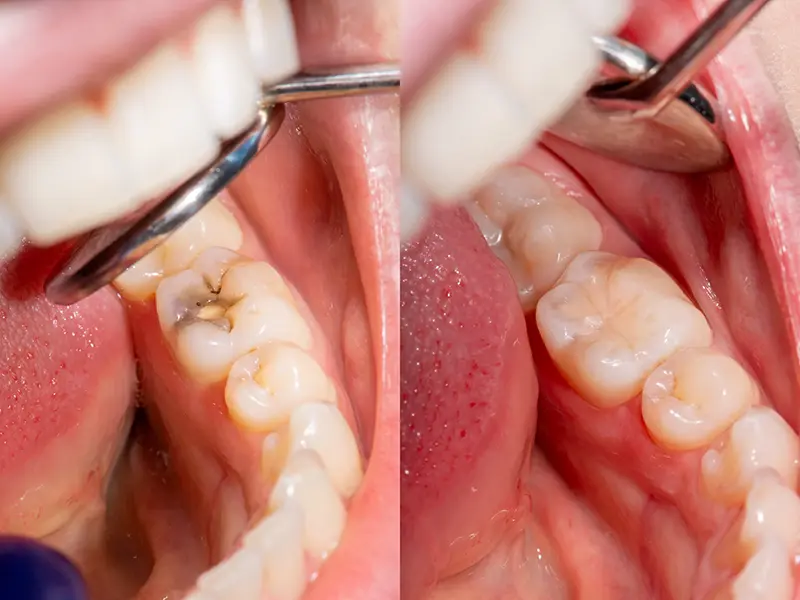
Back teeth have deep grooves that trap food and plaque no matter how well your child brushes. Dental sealants in Oceanside, California, seal those grooves with a thin protective coating, keeping bacteria out before a cavity ever starts.
What Are Dental Sealants?
Dental sealants are protective coatings applied to the pits and fissures of molars and premolars. These narrow grooves can trap plaque where a toothbrush has trouble reaching. Once cured, the coating forms a smooth barrier that helps prevent decay by keeping acids and bacteria away from enamel. Sealants are often placed for children as their permanent molars erupt, and they can also help teens and adults with deep grooves or higher cavity risk.
Sealants do not replace daily brushing, flossing, or fluoride. Instead, they work alongside good home care and regular checkups to lower the chance of cavities in hard-to-clean areas.
How Dental Sealants Can Help You
- Cavity prevention focused on deep pits and fissures.
- Conservative protection with no drilling or numbing needed.
- Quick placement that is comfortable for most patients.
- Smoother chewing surfaces that are easier to clean.
- Support for children and many adults with higher cavity risk.
- Easy maintenance and simple repair if wear occurs over time.
The Dental Sealant Process
Step 1: Evaluation and Cleaning
The teeth are examined to confirm they are free of decay and suitable for sealing. The chewing surfaces are cleaned to remove plaque and debris.
Step 2: Tooth Preparation
A gentle conditioning gel is placed for seconds to microscopically roughen enamel. After a rinse and thorough drying, the tooth is kept isolated from saliva so the sealant can bond properly.
Step 3: Sealant Application and Curing
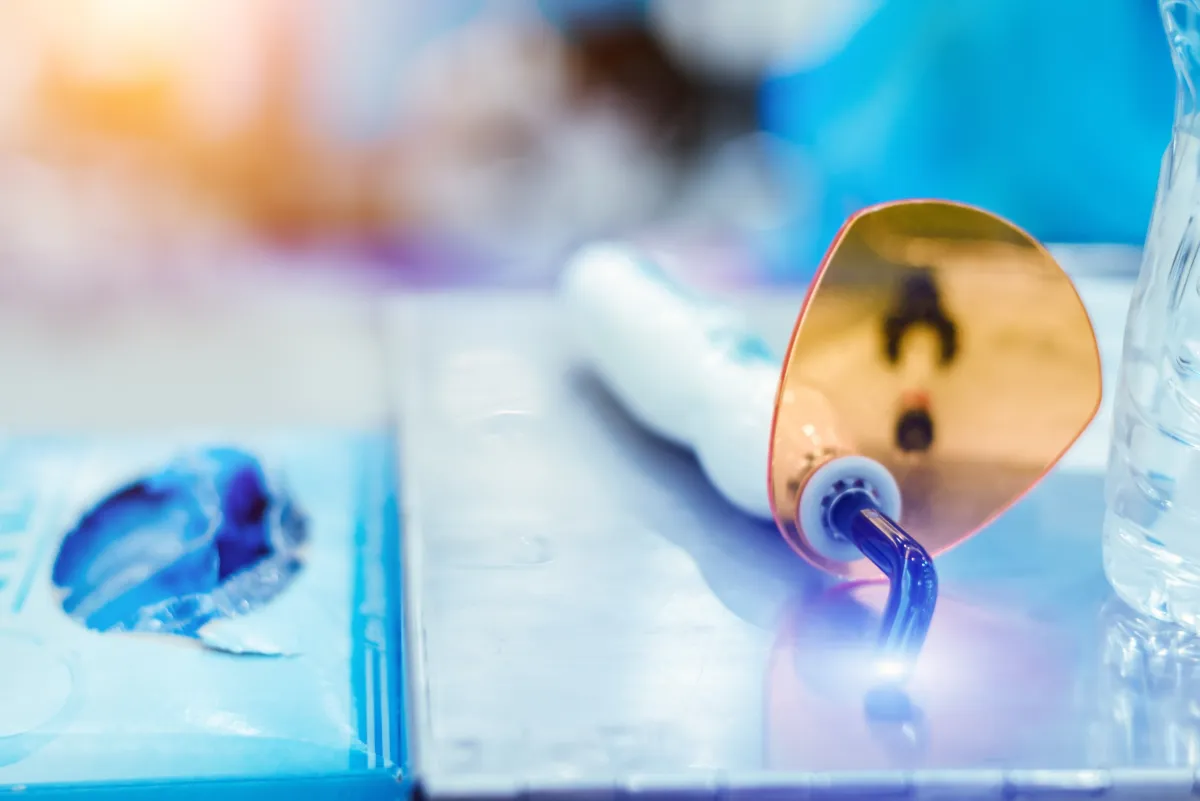
The liquid sealant flows into the grooves and is hardened with a curing light. The whole step takes about a minute per tooth.
Step 4: Final Check
The bite is checked and the sealant is adjusted if needed. The finished surface is smooth and easy to brush.
What To Expect
After placement, the surface may feel slightly different at first but should feel normal within a day. It is wise to avoid very sticky foods for the first 24 hours. Daily brushing with fluoride toothpaste, flossing, and routine exams remain important. At checkups, the sealants are inspected and touched up if needed. With proper care, many sealants last several years and can be reapplied when wear occurs.
Who Is A Good Candidate?
- Children soon after first and second permanent molars erupt, typically around ages six and twelve.
- Teens with ongoing cavity risk or deep chewing grooves.
- Adults with pronounced pits and fissures or early enamel changes without cavities.
- Patients who struggle to clean back teeth effectively due to crowding or limited access.
Limitations and Safety Notes
Sealants protect enamel surfaces but do not treat existing cavities. If decay is present, a different approach may be recommended before sealing. Materials used for sealants are widely studied and considered biocompatible for routine dental use. Trace exposures from resin-based materials are minimal and well below established safety thresholds.
- Sealants do not fix decay; they prevent it on healthy enamel.
- Regular brushing, flossing, fluoride, and checkups remain essential.
- Chips or wear can be repaired quickly during a routine visit.
Protect Your Teeth
Want to know if sealants are right for your child? Call Mission Family Dentistry at 760-439-5515 to set up a preventive visit with Dr. Odenwalder.
Frequently Asked Questions About Dental Sealants
Sealants are thin coatings placed on chewing surfaces of back teeth. They fill deep grooves and block plaque and acids, lowering the risk of cavities.
Many sealants last several years, and some last longer with good care. They are checked at exams and can be repaired or reapplied if worn.
Yes. Sealant materials are considered safe and are used widely in preventive dentistry. Research shows very low exposure levels and strong benefits against decay.
Adults can benefit if they have deep grooves, a higher cavity risk, or difficulty cleaning back teeth. A quick exam will determine if sealing is appropriate.
No. Sealants complement daily hygiene, fluoride exposure, and professional cleanings. Together, these steps provide stronger protection against cavities.